
The Science Behind Herbal Teas' Benefits
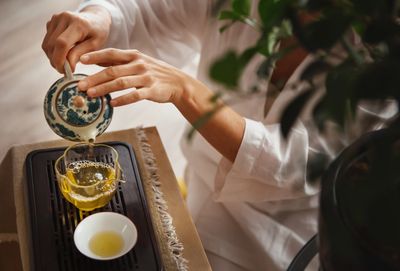
Herbal teas — technically known as tisanes — are beverages made by steeping herbs, flowers, roots, seeds, or other plant parts in hot water. Unlike traditional teas from Camellia sinensis (such as green or black tea), herbal teas are naturally caffeine-free and have been used for centuries in traditional medicine systems around the world. Modern scientific research is beginning to explore the health effects associated with these botanical infusions. Springer
Rich in Bioactive Compounds
Herbal teas contain a diverse array of bioactive compounds, including polyphenols, flavonoids, and other antioxidants. These substances help neutralize free radicals, potentially reducing oxidative stress — a factor implicated in chronic disease development. Different plant ingredients give each herbal tea its unique profile of compounds and effects. The Pharma Journal
Calming Effects and Sleep Support
One of the most well-recognized benefits of certain herbal teas — especially chamomile — is their potential to promote relaxation and better sleep. Traditional use and some clinical research suggest compounds in chamomile may have mild sedative effects, helping ease insomnia and stress. The Pharma Journal
Digestive Health and Comfort
Several herbal teas are valued for their soothing effects on digestion. Peppermint, for example, has traditionally been used to relieve symptoms of indigestion and gas, and ginger tea is commonly taken to counter nausea and support gut comfort. These effects are linked to the natural properties of the plants’ essential oils and other constituents. The Pharma Journal
Cardiometabolic and Antioxidant Benefits
Certain herbal tisanes also show promise for supporting heart health and metabolic balance. Hibiscus tea, rich in anthocyanins, has been studied for its potential effects on lowering blood pressure and improving blood lipid profiles — although more research is needed. Other herbs like rooibos offer antioxidants that may contribute to cardiovascular and metabolic well-being. The Pharma Journal
Immune and Anti-Inflammatory Potential
The diverse plant sources used in herbal teas mean they can contain compounds with anti-inflammatory and immune-modulating properties. While many studies are preliminary or conducted in laboratory settings (rather than large human trials), evidence suggests herbs like echinacea, lemon balm, and nettle may support immune function and help manage inflammation. ResearchGate
In Summary
Herbal teas are a flavorful, caffeine-free way to enjoy plant-based compounds that may support relaxation, digestion, heart health, and immune function. While research is continuing to grow, many benefits reflect long-standing traditional wisdom now being explored with modern science. As with any dietary choice, individual experiences vary, and safe, informed use is key .